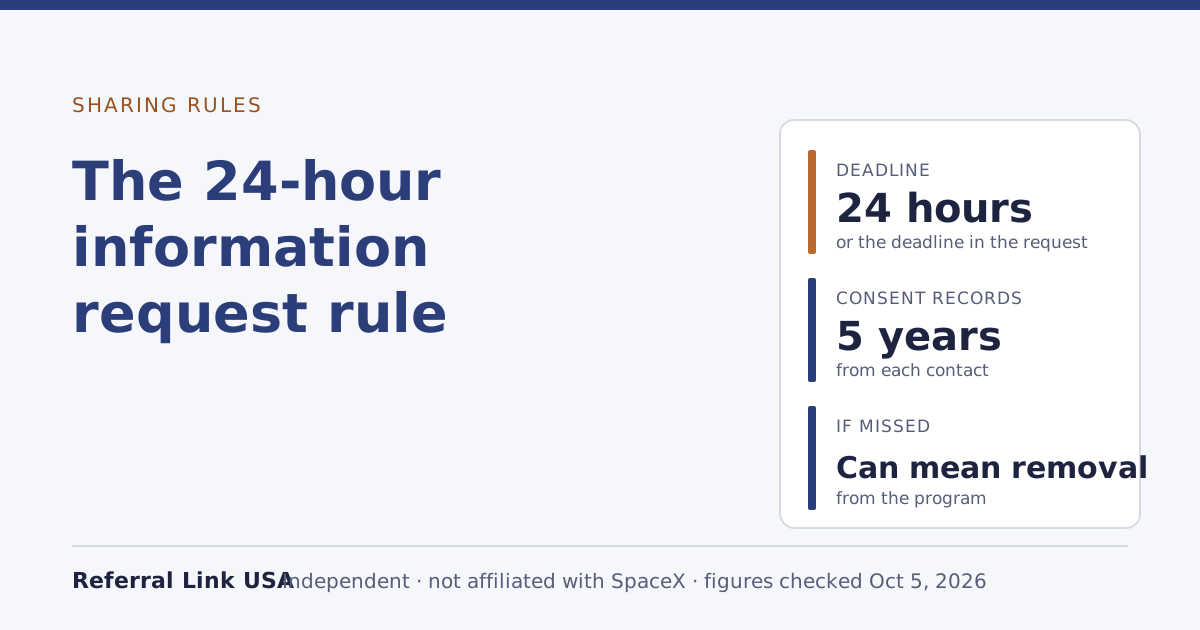
The Starlink referral terms let SpaceX ask you for information about a referral, and you have 24 hours, or whatever deadline the request gives, to answer. The purpose is to check that the referral follows the rules, including that the person is a genuine new customer. Missing the deadline is itself a breach and grounds for removal from the program. Most owners will never get a request, but if you share your link, it’s worth having your Starlink email working and a simple record of who asked you for it and when.
This guide covers the clause in full, how a request could reach you, what it might plausibly ask, and how to answer without handing over anything that isn’t yours.
The clause
It sits in the eligibility section of the US Referral Program Terms, right after the sentence that makes SpaceX’s decision final:
“Referrer agrees to comply with any SpaceX request for information to investigate compliance with these Referral Terms, including whether a Referred Subscriber is a bona fide Starlink subscriber, within 24 hours or other deadline specified in the request. Referrer acknowledges that failure to provide requested information on this timeline is a violation of these Referral Terms and grounds for immediate termination from the Program.”
Three things stand out:
- The default is 24 hours. A request can set a different deadline, longer or shorter, and then that one applies.
- The scope is broad. “Compliance with these Referral Terms” covers everything from how you shared your link to whether the new customer is genuine.
- Silence is a breach. You don’t need to have done anything wrong to fall foul of it; failing to answer on time is enough.
Why the rule exists
The program pays for genuine new customers. The terms are built to stop rewards being generated through fake accounts, purchased sign-ups or spam, and a fast information request is how SpaceX checks a referral that looks unusual. The same section says SpaceX alone decides whether a referral counts, and its decision is final, and that SpaceX can end your participation or cancel rewards if it decides a referral isn’t a genuine new customer or came from abuse.
For an honest referrer, the realistic risk isn’t being caught doing something wrong. It’s missing a request because it went to an inbox you don’t check.
How a request could reach you
The terms include a notice clause that covers every program communication:
“The Referrer consents to receive all notices, updates, and other communications related to the Program by electronic delivery, including by email or by posting in the SpaceX Customer Portal.”
So a request might arrive as an email to the address on your Starlink account, or as a message inside your account. Starlink doesn’t describe the format. Two practical consequences:
- The email address on your account has to be one you read daily. If it’s an old address you only check occasionally, change it.
- Starlink’s emails have to reach your inbox. Check your spam and promotions folders once, mark a Starlink email as “not spam”, and add the sender to your contacts.
What a request might ask
Starlink doesn’t publish example questions. Based on what the terms say SpaceX can check, here’s our reading of what a request could reasonably cover, and what you’d need to answer it.
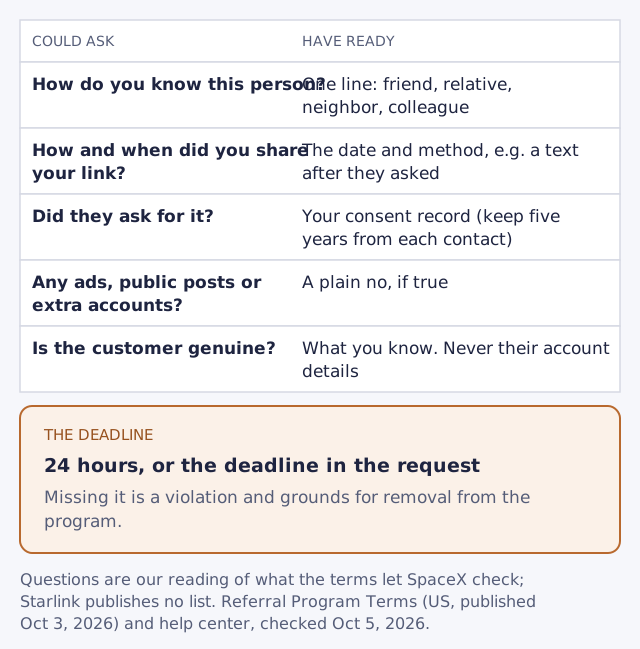
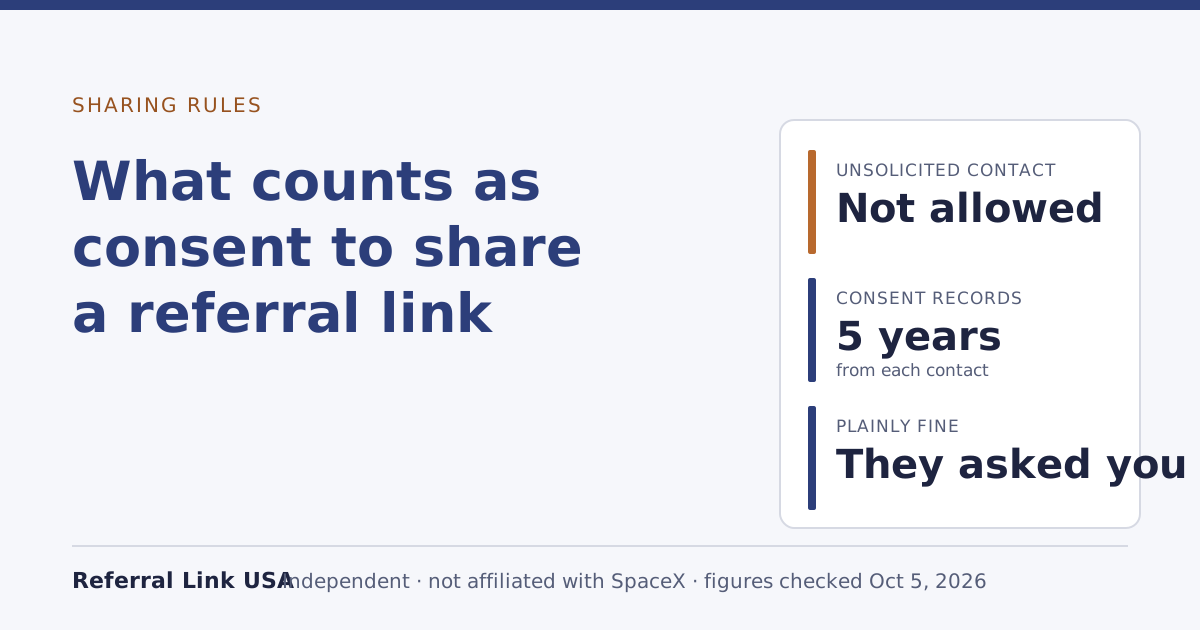
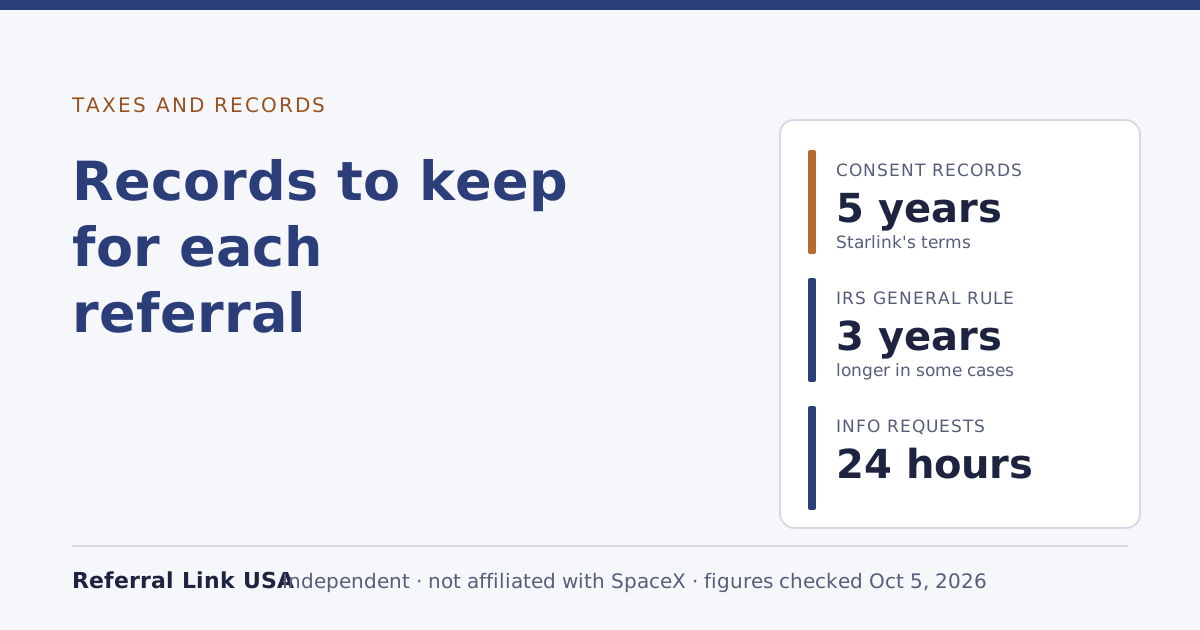
The consent record is the one item the terms explicitly say you must be able to produce. The sharing rules say there must be no unsolicited contact of any kind; keep consent records for five years. “Submitted to SpaceX upon request” is in the same sentence, so an information request is exactly when you’d be asked for it. Our consent guide shows what a record can look like without collecting anyone’s personal data.
How to answer well
When a request arrives:
- Confirm it’s real. Sign in to your Starlink account directly, not through a link in the email, and look for the request or a matching message. If you can’t find it, contact support from inside your account and ask.
- Note the deadline. 24 hours from when it was sent, unless the request says otherwise.
- Answer what’s asked, briefly and accurately. Short, factual answers are better than long explanations. If you don’t know something, say so.
- Attach your own records, not your friend’s. A screenshot of the text where they asked for your link is your record. Their address, account number or billing details are not, and the terms say don't collect a prospect's personal data; share only the link and send them to starlink.com.
- Keep a copy. Save the request and your reply in the same place as your referral log.
If the deadline is impossible, for example you’re in hospital or offline at sea, answer the moment you can and explain in one line. The terms don’t promise leniency, so a working email and a phone notification for Starlink messages are the real protection.
What’s at stake
Missing a request is grounds for “immediate termination from the Program”. Separately, if SpaceX finds a referral didn’t meet the rules, a reward can be limited, delayed or revoked, even after it's issued, for fraud, abuse or a terms violation. And by sharing your link you’ve already made a promise: by submitting a referral you certify it meets every eligibility rule.
None of this should worry an owner who shares only with people who ask. It’s a reason to keep the light records the terms already require.
Get ready in ten minutes
- Check your account email. Is it current, and do you read it daily?
- Fix your spam filter. Find a recent Starlink email and mark it as safe.
- Turn on app notifications. If the Starlink app is on your phone, allow notifications.
- Start a referral log. For each person: the date they asked, how they asked, how you sent the link. Records to keep for each referral has a copyable layout.
- Keep screenshots of consent. The message where someone asked for your link is the simplest consent record there is.
A worked example
Here’s how a request could play out for an owner who keeps light records. It’s hypothetical; Starlink doesn’t publish examples.
A neighbor asks about the dish on your roof in March, and a week later texts you asking for your link. You send it by text the same evening. They order, activate, and stay. In May, an email arrives saying SpaceX is reviewing the referral and asking how you know the customer and how you shared the link, with the standard 24-hour deadline.
You sign in to your Starlink account directly, find the same request there, and reply within the hour: “They’re my neighbor. They asked me for my link by text on March 14 and I sent it to them by text that evening. I haven’t advertised the link or posted it anywhere.” You attach a screenshot of their text asking for it, with their phone number cropped out. You save the request and your reply in your referral log.
That’s it. The answer is short, factual and backed by the one record the terms ask you to keep. Compare that with an owner whose account email is an old address they rarely open: the same request sits unread for three days, and the deadline has passed before they see it.
Requests from the payment processor are different
If you take cash, the payment processor may ask you for identification or other details too. That’s a separate obligation with a separate consequence: if you don't finish the processor's identity checks, every reward is paid as credit. A processor request doesn’t trigger the 24-hour rule, but leaving it unfinished means your rewards arrive as credit. Treat both kinds of request as same-day tasks.
Common mistakes
- Using an old email on your Starlink account. The request goes where your account says.
- Ignoring an email because it looks like marketing. Open anything from Starlink while referrals are pending.
- Replying to a look-alike email. Always check inside your account first.
- Sending your friend’s personal details. You were never supposed to collect them.
- Over-explaining. Long answers create new questions. Answer what’s asked.
- Throwing away old messages. Consent records must be kept for five years from each contact.
What we don’t know
As of our Oct 5, 2026 check, Starlink doesn’t state:
- What a request looks like, who sends it, or which address it comes from.
- How often requests are sent, or what triggers one.
- Whether a late answer is ever accepted, or whether there’s any review after removal.
- Whether you’re told the outcome after answering.
If you’ve received a request and can describe its format without personal details, the contact page explains how to tell us. We’ll report it as a reader account, not as Starlink’s process.
What to do next
- Not sure your sharing is within the rules? Read the sharing rules in full.
- No consent records yet? Start with what counts as consent.
- Taking cash? Records do double duty for tax; see taxes on referral rewards.
- New to referring? The owner’s guide covers everything before you share.